Heat Pump Installation in San Antonio
One system for heating and cooling, lower energy bills, and up to $4,000 back in rebates and tax credits. In San Antonio's mild climate, a heat pump is increasingly the smartest HVAC investment you can make.
A heat pump is an air conditioner that can reverse itself to heat your home. Instead of burning gas to create warmth, it moves heat from the outdoor air into your home — even when it's cold outside. The result: one system replaces both your AC and your furnace, runs on electricity only (no gas line needed), and operates at 2–3x the efficiency of electric resistance heating.
San Antonio is one of the best climates in the country for heat pumps. Our winters are mild — we rarely see sustained temps below 30°F — which means the heat pump operates efficiently during heating season without needing a backup furnace. Our summers are brutal, and heat pumps cool just as effectively as any traditional AC. You get year-round comfort from a single outdoor unit.
The financial case is strong too. Heat pump installations qualify for the $2,000 federal IRA tax credit — traditional AC systems don't. CPS Energy offers additional rebates on qualifying high-efficiency heat pumps. Trane runs seasonal manufacturer promotions. Stack all three and you can offset $2,500–$4,000 of the installation cost. We handle every piece of that paperwork.
From first call to completed installation typically takes 1–2 weeks. We schedule the in-home consultation within a few days, present options within 48 hours of the visit, and install within a week of your approval. If you're replacing a failed system, we can often compress that timeline — we keep popular Trane models in local distributor stock specifically so emergency replacements don't turn into 3-week waits for equipment.
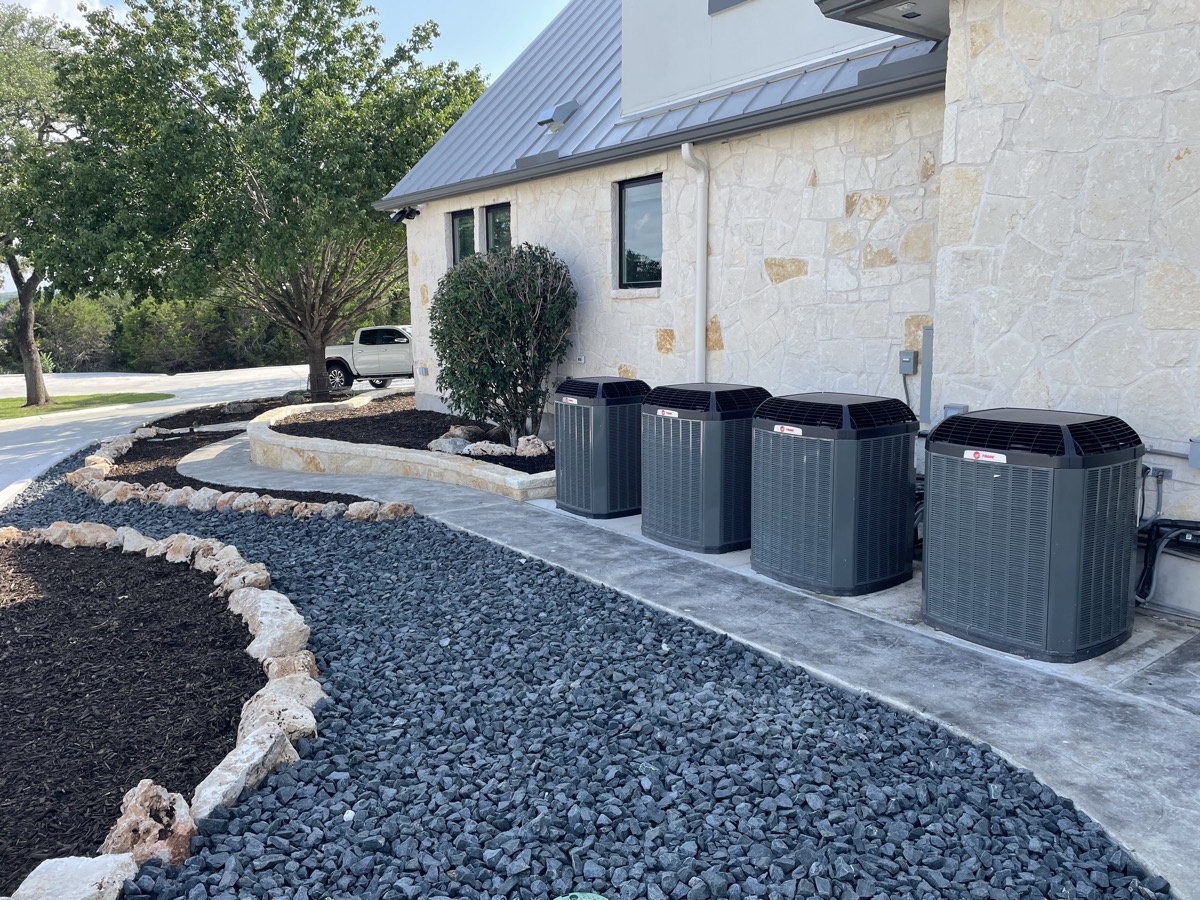
Why Choose Our Heat Pump Installation Service
Is a Heat Pump Right for Your Home?
Heat pumps aren't the right choice for every situation. Here's who benefits most — and the few scenarios where a traditional system might make more sense.
Your AC and Furnace Are Both Due for Replacement
If both systems are aging, a heat pump replaces them in a single installation. You pay for one system instead of two, with lower operating costs and a $2,000 tax credit that a traditional AC doesn't qualify for. This is the most common scenario where heat pumps win decisively.
You Have Electric Resistance Heating
Baseboard heaters, electric furnaces, and heat strips are the most expensive way to heat a home — 2–3x the cost of a heat pump per BTU. If your CPS Energy bill spikes in winter because of electric heat, a heat pump will cut that heating cost in half while also replacing your AC.
You Want to Eliminate Your Gas Bill
A heat pump runs entirely on electricity. If your furnace is the only gas appliance in your home, switching to a heat pump lets you drop the gas connection entirely — eliminating the monthly meter charge ($15–$20/month) on top of the heating savings.
Your Home Has Good Insulation
Heat pumps produce lower-temperature air than furnaces (around 95°F vs. 120°F), which means they heat your home more gradually. Well-insulated homes retain that heat effectively. Poorly insulated homes — especially older San Antonio construction with single-pane windows and minimal attic insulation — may struggle to maintain comfortable temps during a deep cold snap without a backup furnace (dual fuel option).
When a Traditional System Might Be Better
If your AC is only 8 years old and your furnace needs replacement, replacing just the furnace ($5,000–$8,000) may make more sense than replacing the entire system with a heat pump ($12,000–$18,000). Also, homes with very poor insulation or extreme heating loads may benefit from a dual fuel system (heat pump + gas furnace backup) rather than a standalone heat pump.
What to Expect
Free in-home consultation. We evaluate your current system, inspect ductwork, and measure your home for a load calculation. No obligation, no pressure. This takes about 45 minutes and we need to see the house in person — anyone quoting a heat pump over the phone is guessing.
Manual J load calculation specific to San Antonio's climate. We use local design temperatures (28°F heating, 100°F cooling) to size the system for both the hottest and coldest days your home will experience. This is more critical for heat pumps than traditional systems because the same unit handles both extremes.
We present 2–3 options with full pricing. Each quote includes equipment, labor, thermostat, permits, warranty, and a rebate/credit analysis showing the net cost after incentives. We break down the real-world cost difference so you're comparing apples to apples — not just sticker prices.
Installation takes 1–2 days depending on complexity. Straightforward replacements (existing heat pump or AC + furnace swap) take one day. If we're running new electrical circuits, modifying ductwork, or removing gas infrastructure, it may take two. Our crew protects your home and cleans up completely.
Full commissioning in both modes. We run the system in cooling, verify temperatures and pressures, then switch to heating and repeat. We check the defrost cycle, measure temperature rise, and verify the thermostat correctly switches between modes. The system is performing to spec before we leave.
We file everything: city permit, CPS Energy rebate application, Trane warranty registration, and we provide the documentation you need for the federal IRA tax credit on your next return. Most CPS rebate checks arrive in 6–8 weeks. The federal credit applies when you file taxes.
Heat pump installation runs $12,000–$18,000 in San Antonio.
After rebates and tax credits ($2,500–$4,000 back), net cost is typically $8,000–$15,500. 0% financing available.
Frequently Asked Questions
Other Heat Pumps Services
Heat Pump Repair
Heat pumps run year-round in San Antonio — cooling 8 months, heating the rest. That's double the wear of a standalone AC...
Learn MoreHeat Pump Maintenance
Your heat pump runs 12 months a year with no off-season. It needs twice the maintenance of a standalone AC or furnace —...
Learn MoreNeed Heat Pump Installation?
Contact us today for fast, reliable service from licensed technicians.