Mini-Split Maintenance in San Antonio
San Antonio's heat and humidity are hard on ductless systems. Annual professional maintenance prevents the mold, drain clogs, and efficiency losses that shorten mini-split lifespans.
Mini-splits need different maintenance than central HVAC systems, and in San Antonio's climate, they need it more often. The indoor air handler sits in your living space — the evaporator coil, blower wheel, and drain pan are all inside that wall-mounted unit, operating in a warm, humid environment that mold and bacteria love. Central systems at least have the advantage of a return air filter before the coil and a drain pan in the attic where you don't smell the growth. With a mini-split, the coil is right there in the room, and if it gets dirty or moldy, you're breathing it.
Most mini-split owners know to clean the filters — the mesh screens that slide out of the front of the indoor unit. That's basic and necessary, ideally every two weeks during heavy use. But filter cleaning only addresses airborne dust and pet hair before it reaches the coil. It does nothing for the mold growing on the coil fins, the slime building in the drain pan, the dust caking on the blower wheel, or the algae clogging the drain line. By the time your mini-split smells musty, those problems are already months old.
Professional mini-split maintenance goes deeper than anything you can do with a spray bottle and a rag. We disassemble the indoor unit — removing the blower wheel, accessing the full coil surface, and flushing the drain system. We also check the outdoor unit's coil, verify refrigerant charge, inspect the electrical connections, and test the system's performance. A neglected mini-split can cost you $20–$40/month extra on your CPS bill from reduced efficiency alone — and that's before the repair bills start. In San Antonio, we recommend professional maintenance annually at minimum, and twice a year for units that run year-round in high-humidity spaces — garage offices in Alamo Heights, enclosed porches in Terrell Hills, converted casitas in Southtown, or any room with poor ventilation.
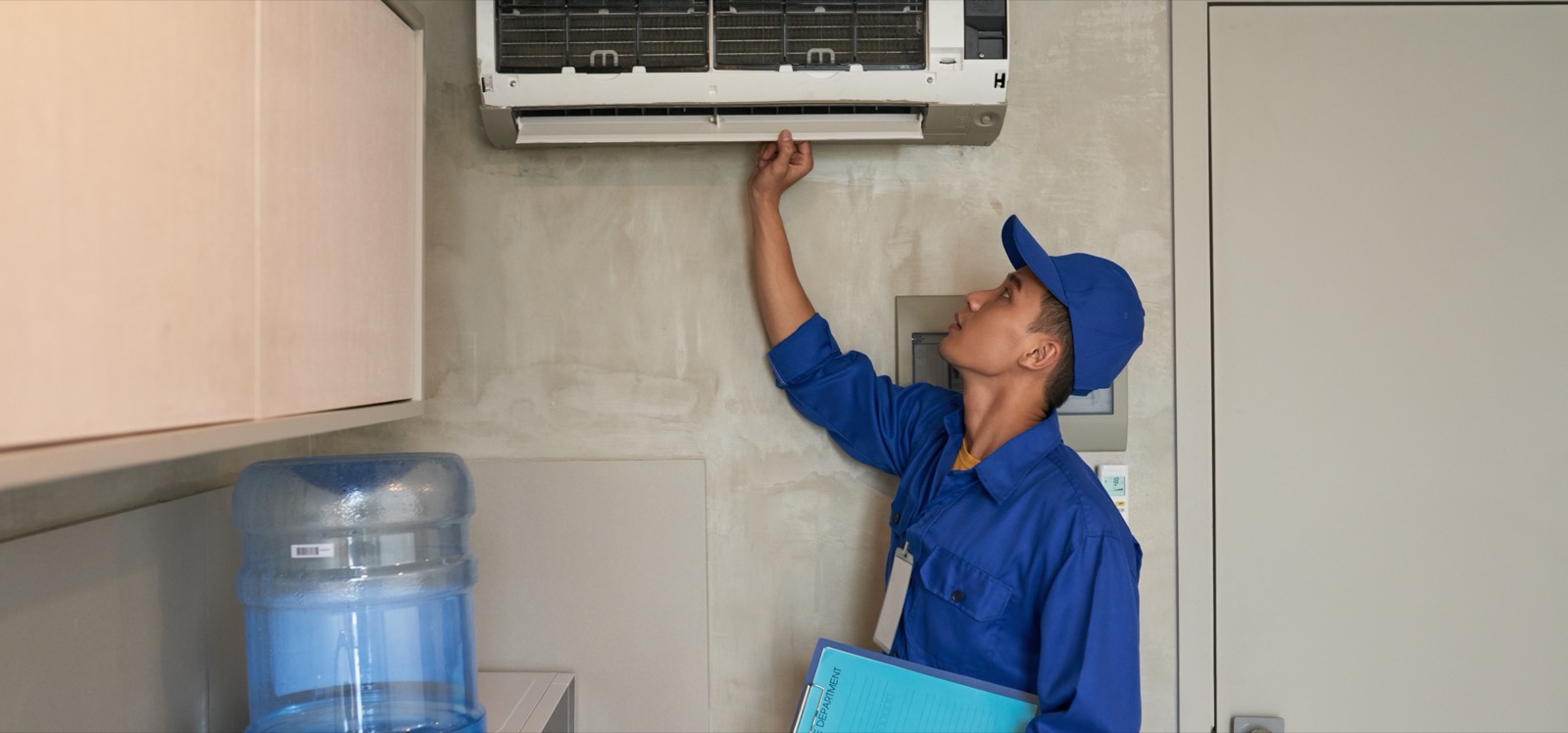
Why Choose Our Mini-Split Maintenance Service
What We Find During Mini-Split Maintenance
These are the issues we catch during routine maintenance visits — problems that would have become expensive repairs or health concerns if left unaddressed.
Mold on the Evaporator Coil and Blower Wheel
The most common finding in San Antonio. The evaporator coil stays wet during operation, and the indoor air handler provides a warm, dark, humid environment — ideal conditions for mold. Light surface mold is normal after a few months; heavy mold growth indicates the unit hasn't been professionally cleaned in over a year. We remove the blower wheel, clean every surface with a coil cleaner and biocide, and flush the drain. This eliminates the musty smell and improves airflow by 15–20%.
Clogged or Slow Condensate Drain
Mini-split drain lines are smaller diameter than central system drains — typically 3/4" PVC or a flexible hose. In humid conditions, algae and dust build up fast. A partially clogged drain may not overflow today, but it's one hot week away from dumping water down your wall. We flush the drain with pressurized water, clear any blockages, and treat the line with anti-algae tablets that dissolve slowly over months.
Dirty Outdoor Coil
San Antonio's cedar pollen season (December–February) and spring allergen season coat the outdoor coil in a sticky layer that rain doesn't wash off. Add cottonwood fluff in April and grass clippings from mowing, and the coil can lose 20–30% of its heat transfer capacity. We rinse the coil with a garden hose and coil cleaner — high-pressure washing can bend the delicate fins and make it worse.
Filter Degradation
The mesh filters on most mini-splits are washable and reusable, but they degrade over time — especially if washed with hot water or harsh chemicals. Warped or torn filters let dust bypass directly onto the coil, accelerating mold growth and reducing efficiency. We inspect the filters and recommend replacement if they're no longer filtering effectively. Replacement filters are typically $20–$40 per unit.
Loose Electrical Connections
Thermal cycling — the expansion and contraction from heating and cooling — gradually loosens terminal screws and wire connections at both the indoor and outdoor units. A loose connection creates resistance, which generates heat, which loosens the connection further. Left unchecked, it can melt a terminal block or damage the inverter board. We torque all connections during maintenance.
Reduced Airflow from Blower Wheel Buildup
The squirrel-cage blower wheel inside the indoor unit collects dust and mold on its blades over time. As buildup accumulates, airflow drops — the unit runs longer to cool the room, wastes energy, and struggles with humidity. You might not notice the gradual decline until the unit is producing 30–40% less airflow than when it was new. Cleaning the blower wheel restores full performance.
What to Expect
We schedule the visit at your convenience. Mini-split maintenance takes 60–90 minutes per unit. If you have a multi-zone system, expect 30–45 minutes per additional indoor unit.
We start with the indoor unit: power off, remove filters, remove the blower wheel, and access the full evaporator coil. We clean the coil, blower wheel, and drain pan with commercial-grade coil cleaner and biocide. Everything is flushed and dried before reassembly.
We flush the condensate drain line with pressurized water to clear any blockages, then treat the line and drain pan with anti-algae solution. If the drain line routing has any issues (incorrect slope, sags in the hose), we note it and can correct it.
We move to the outdoor unit: inspect and rinse the condenser coil, check refrigerant pressures, inspect electrical connections, and verify the inverter board status. If the system has a wired controller, we check it for stored error codes or fault history.
We reassemble the indoor unit, run the system in both cooling and heating modes, and verify performance — supply air temperature, airflow volume, and drain function under load. We note any issues found and discuss them with you before recommending additional work.
You get a summary of what we found, what we cleaned, and what to watch for before the next maintenance visit. We'll also remind you of the filter cleaning schedule — every 2 weeks during heavy use in San Antonio is not overkill, it's necessary.
Mini-split maintenance starts at $149 per unit in San Antonio.
Deep cleaning with coil, blower, and drain service. Multi-unit discounts available. Maintenance agreement: $189/year per unit includes annual deep clean, priority scheduling, and 15% off repairs.
Frequently Asked Questions
Other Mini-Splits Services
Mini-Split Repair
Your mini-split stopped cooling, started leaking, or threw an error code. We diagnose and repair all ductless brands — M...
Learn MoreMini-Split Installation
Ductless comfort for any space — additions, garages, older homes, problem rooms. We design and install single-zone and m...
Learn MoreNeed Mini-Split Maintenance?
Contact us today for fast, reliable service from licensed technicians.