Heating Installation in San Antonio
San Antonio doesn't need a furnace that runs all winter — it needs one that works perfectly the 30–40 nights a year the temperature actually drops. We size and install heating systems for how San Antonio actually uses them.
Heating in San Antonio is a different animal than heating in Dallas, Houston, or anywhere north of I-10. Our winters are short and mild — average lows in January are 38°F — but punctuated by cold snaps that can drop to the teens overnight with almost no warning. Your heating system might sit idle for 9 months, then need to perform flawlessly on the coldest night of the year.
That usage pattern matters for installation decisions. An oversized furnace short-cycles during mild cold — blasting heat for 5 minutes, shutting off, blasting again — which wastes gas, creates hot and cold spots, and wears the equipment faster. An undersized system can't keep up when it actually drops below 25°. We size every system with a load calculation specific to your home and San Antonio's climate, not a rule-of-thumb guess.
We install Trane furnaces and heat pumps — equipment built for reliability under exactly these conditions. If your current system is 15+ years old, uses R-22, or has needed multiple repairs in the past two years, replacement is worth evaluating. A modern system will heat more evenly, use less gas, and give you one less thing to worry about when the next cold front rolls through.
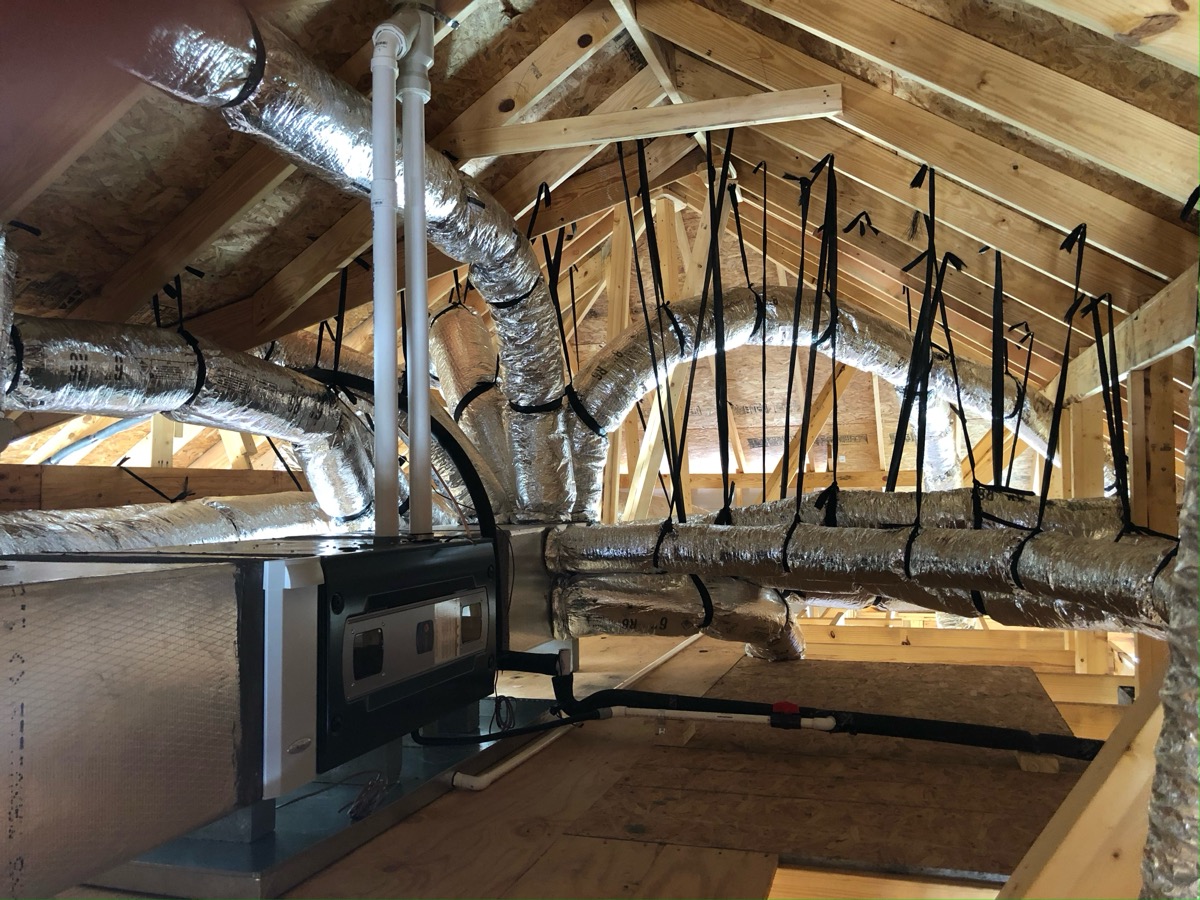
Why Choose Our Heating Installation Service
When Does Furnace Replacement Make Sense in San Antonio?
San Antonio furnaces last longer than furnaces up north because they run less. But "longer" doesn't mean "forever." Here's when we typically recommend replacement.
The Furnace Is 18–25 Years Old
San Antonio furnaces often last 18–25 years because they run so little. But at that age, every component is original and aging — heat exchangers thin out, gas valves get sluggish, and ignitors crack from thermal stress. One repair might fix today's problem, but something else will go next winter.
Cracked Heat Exchanger
A cracked heat exchanger is a carbon monoxide risk and a non-negotiable replacement trigger. The heat exchanger itself costs nearly as much as a new furnace, and by the time it cracks, the rest of the system is the same age. We don't repair cracked heat exchangers — we replace the furnace.
Frequent Repairs (2+ in 2 Years)
One repair on an older furnace is fine. Two repairs in two years means the system is declining, and each fix is buying less time. We'll show you what you've spent on repairs versus what a new system costs — the math often favors replacement at this point.
Electric Resistance Heating
If your home uses electric resistance heating (baseboard heaters or an electric furnace), your heating costs are 2–3x what they'd be with a gas furnace or heat pump. Switching to a heat pump is especially attractive — you get efficient heating AND cooling from one unit, and the $2,000 federal tax credit helps offset the installation cost.
Your AC Needs Replacement Too
If your AC is due for replacement and your furnace is aging, doing both at once saves money. The air handler and ductwork connections are shared — replacing both in one job means one mobilization, one set of permits, and matched equipment that works together efficiently. We bundle AC + heating replacements at $10,000–$15,000 for the complete system.
What to Expect
It starts with a call and an in-home consultation (no charge). We need to see your existing system, inspect your ductwork, and measure your home before we can quote accurately. This takes about 45 minutes.
We run a load calculation — the same Manual J process we use for AC installations, but with heating-specific inputs: insulation R-values, air infiltration rates, window performance, and San Antonio's design temperature (28°F for our area). This tells us exactly what heating capacity your home needs.
We present 2–3 options. For most San Antonio homes, that's a standard-efficiency gas furnace (80% AFUE), a high-efficiency gas furnace (95%+ AFUE), and a heat pump alternative. Each quote includes everything: equipment, labor, thermostat, permits, warranty. We explain the real-world cost difference so you can make an informed choice.
Installation day: our crew removes the old equipment, installs the new system, connects ductwork, and runs refrigerant lines if applicable. A standard furnace swap takes 6–8 hours. If we're adding a heat pump or modifying ductwork, it may stretch to a second day.
Full commissioning: we fire the system, verify ignition sequence, measure gas pressure, check temperature rise across the heat exchanger, test CO levels, and confirm airflow at every register. The system is running to spec before we leave — not just "it turns on."
We handle the post-installation paperwork: city permit filing, CPS Energy rebate application, manufacturer warranty registration, and IRA tax credit documentation for heat pump installations. You get a folder with everything documented.
Heating installation typically costs $10,000–$15,000 in San Antonio.
Includes equipment, labor, thermostat, permits, and 10-year warranty. Heat pump installations ($12,000–$18,000) qualify for $2,000 federal tax credit.
Frequently Asked Questions
Other Heating Services
Heating Repair
San Antonio doesn't get cold often — but when it does, it hits fast. A broken furnace during a Texas cold snap is danger...
Learn MoreHeating Maintenance
Your furnace sat idle for 8 months. Before you fire it up for the first cold night, a fall tune-up confirms it's safe, c...
Learn MoreNeed Heating Installation?
Contact us today for fast, reliable service from licensed technicians.