AC Maintenance & Tune-Ups in San Antonio
An $89 tune-up in March prevents a $600 repair in July. San Antonio's 8-month cooling season pushes your AC harder than almost anywhere — annual maintenance is how you keep it running.
Your AC in San Antonio runs roughly 2,500 hours a year. Compare that to a car — at highway speed, that's over 150,000 miles of equivalent use annually. You wouldn't skip oil changes on a car driven that hard. Your air conditioning system needs the same attention, and for the same reason: catching small problems before they become expensive ones.
We've been maintaining AC systems across San Antonio for over 24 years. The pattern is consistent: homeowners who get an annual tune-up in spring spend less on repairs over the life of their system, get lower CPS Energy bills during summer, and replace their equipment 3–5 years later than homeowners who skip maintenance. That's not a sales pitch — it's what we've observed across thousands of service calls.
Our tune-up isn't a quick check and a sticker. It's a full diagnostic that covers electrical, mechanical, refrigerant, and airflow — the four systems that keep your AC running. We document everything and tell you what's fine, what's aging, and what needs attention before summer hits.
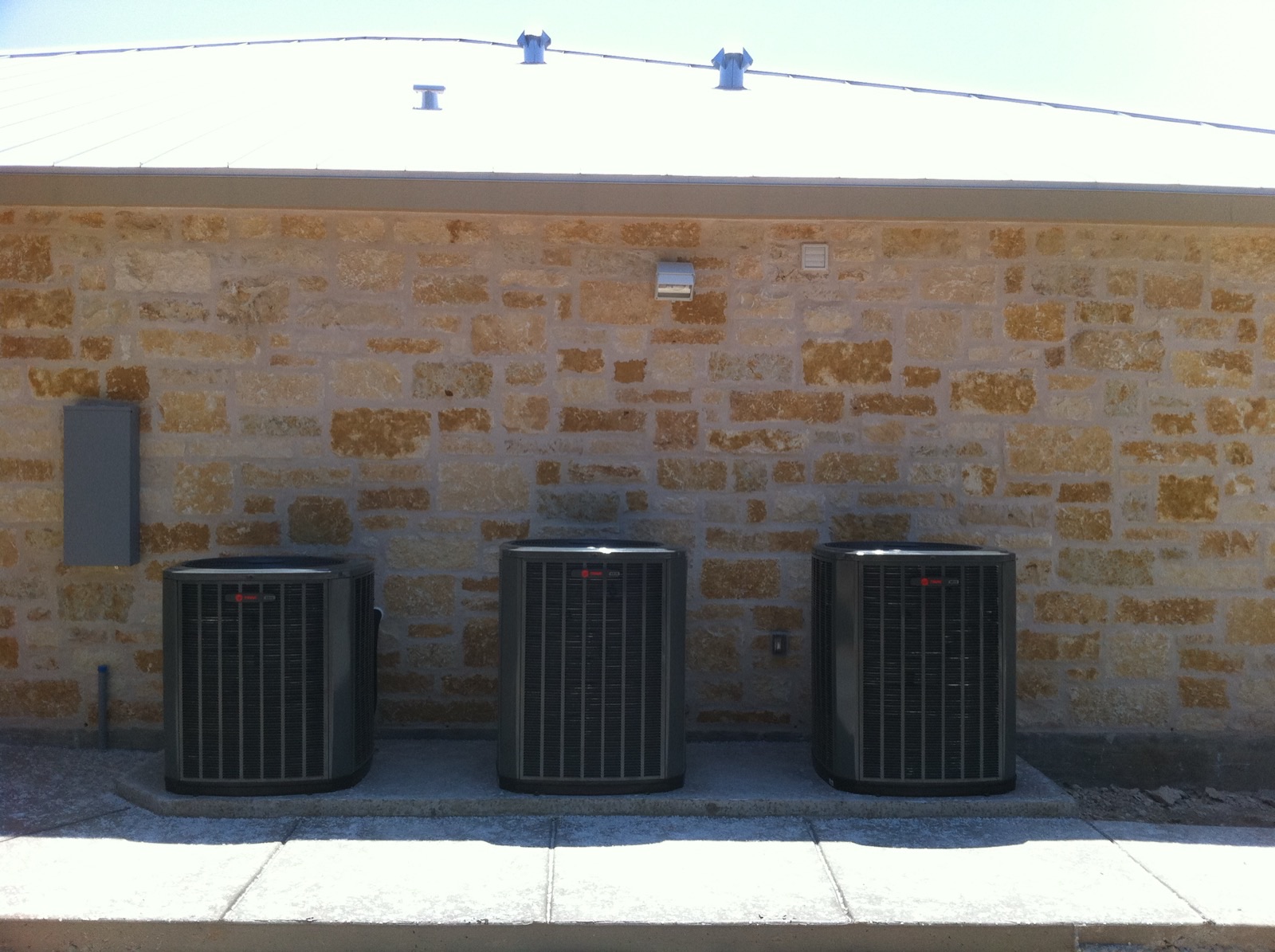
Why Choose Our AC Maintenance Service
What We Catch During Tune-Ups
These are real problems we find during spring maintenance — things that would have failed during summer if we hadn't caught them. This is what you're paying for when you schedule a tune-up.
Weak Capacitors
Capacitors lose strength over time, especially in Texas heat. A capacitor at 60% strength will start your compressor today but fail under peak load in July. We test capacitance with a meter and replace anything below spec. A planned $150 replacement beats a $400 emergency call.
Low Refrigerant
Refrigerant doesn't "use up" — if it's low, you have a leak. Even a slow leak drops your system's efficiency and can damage the compressor over time. We measure pressures at every tune-up and flag any system running below spec so the leak can be found and fixed before summer.
Clogged Condensate Drains
San Antonio's humidity means your AC produces a lot of condensate. Algae grows in the drain line year-round. A clogged drain either floods your attic or trips the safety switch and shuts your system down. We clear the line and drop in prevention tablets — takes 5 minutes, saves a potential $500+ water damage claim.
Dirty Evaporator Coils
The indoor coil collects dust, pet dander, and debris that your filter didn't catch. A dirty coil restricts airflow, reduces cooling capacity, and can freeze over. We inspect the coil and recommend a deep clean when buildup is visible — restoring airflow and preventing ice-ups.
Worn Contactor Points
The contactor switches your compressor on and off thousands of times per season. The contact points pit and erode over time. A pitted contactor causes the compressor to "chatter" on startup, drawing excess amperage and shortening compressor life. We check for pitting and replace contactors before they weld shut or burn out.
Cedar Pollen on Condenser Coils
San Antonio's cedar season (December–February) coats your outdoor condenser in a layer of pollen that blocks airflow. By spring, that pollen is baked on by sun and rain. If you didn't hose it off during winter, the spring tune-up is where we catch it before your system tries to cool through a wall of allergens.
What to Expect
You schedule the tune-up — ideally March or April, before San Antonio heats up. We give you a specific time window so you're not waiting around all day. The visit takes about an hour.
Our technician starts outside at the condenser. He inspects the coil condition, checks the fan motor, measures compressor amperage, tests the capacitor and contactor, and verifies refrigerant pressures. If the coil is dirty, he'll let you know what cleaning costs.
He moves inside to the air handler. Checks the evaporator coil, blower motor, filter condition, and electrical connections. Tests thermostat calibration and verifies the temperature split across the coil matches manufacturer spec (typically 16–22°F).
He clears the condensate drain line, drops in prevention tablets, and verifies the safety float switch is functional. This takes 5 minutes and prevents the most common cause of mid-summer system shutdowns.
Full system run test. He turns the system on, lets it cycle, and measures supply and return air temperatures at the registers. He's verifying the system cools as designed — not just that it turns on.
Before he leaves, he walks you through what he found. You get a written report: what's in good shape, what's aging, and what he recommends addressing now versus monitoring. No pressure — the report is yours to act on when it makes sense.
AC tune-ups start at $89 in San Antonio.
Maintenance agreement members pay $189/year for 2 visits (spring AC + fall heating), 15% off repairs, and priority scheduling.
Frequently Asked Questions
Other Air Conditioning Services
Need AC Maintenance?
Contact us today for fast, reliable service from licensed technicians.